
Deep Cleaning & Periodontal Disease Treatment
If it’s been a while since your last checkup, or if you’re prone to gum health issues, a periodontal cleaning may be just what you need. Also known as a deep cleaning, a periodontal cleaning removes plaque and tartar from your gums and teeth. The main difference between this service and a regular cleaning is that it includes scaling and root planing to reach below the gumline.
About Deep Cleaning & Periodontal Disease Treatment
Deep cleanings typically take one to two hours and may require multiple visits. That’s because your mouth will be cleaned in quadrants, and your dentist will determine which quadrants require deep cleaning.

ABout Treatment
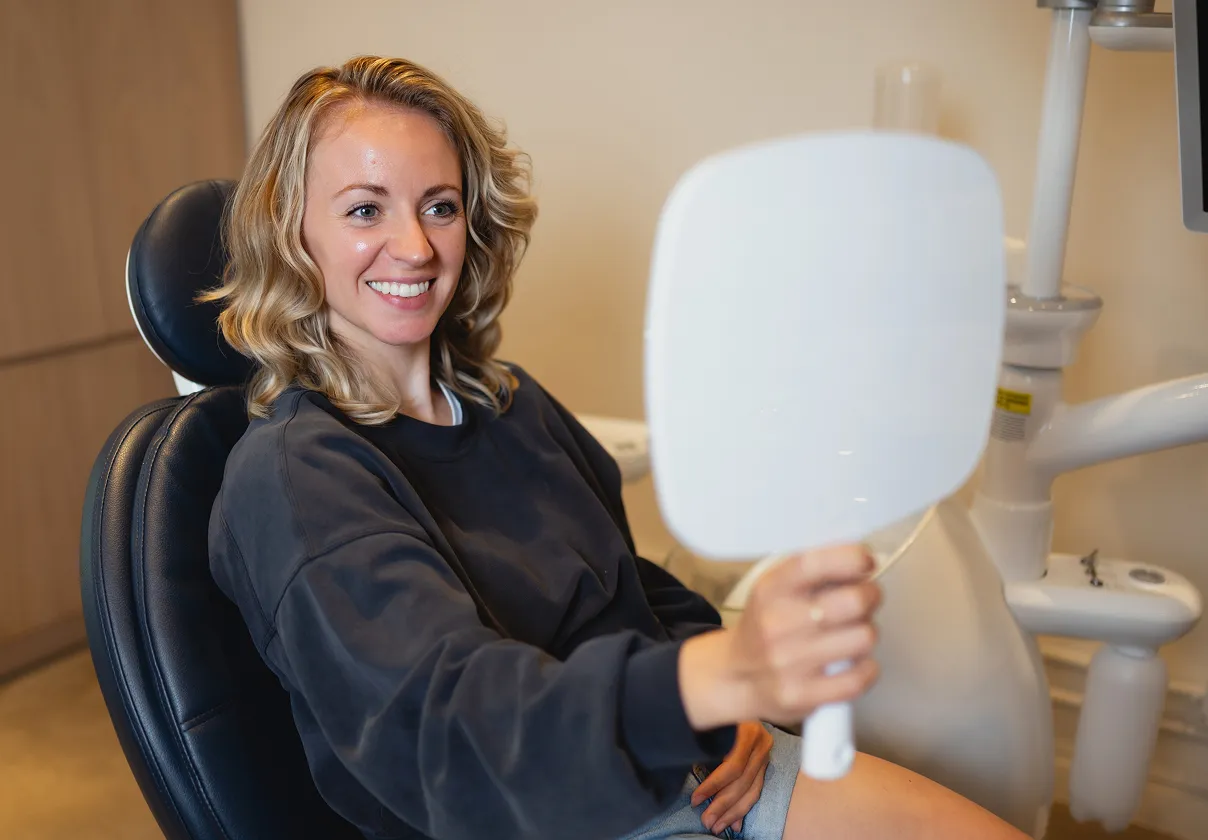
During the appointment, your dentist will administer a local anesthetic to numb your mouth. They will then remove the tartar and plaque from your gums using a scaler. Planing smooths the roots’ surfaces to keep teeth cleaner between appointments.
You should be able to return to your normal routines on the same day as your deep cleaning procedure. The dentist may recommend staying away from particularly cold and hot foods and eating softer foods. If pain persists, you may be advised to use an over-the-counter painkiller.
Top-Notch Preventative Care
Brushing and flossing regularly are the best things you can do after the procedure to maintain the results.
Remember to schedule regular cleanings to keep up your gum and tooth health. Schedule any restorative dentistry as soon as you need it to address more significant issues.

Frequently Asked Questions
Does a deep cleaning hurt?
Deep cleaning teeth is more involved and comprehensive than a typical cleaning since much of it takes place below the gumline—so it’s normal to wonder whether the process is painful. The dentist will numb the part of your mouth being cleaned, so you may feel discomfort and pressure against your gums but should not feel pain.
After the deep cleaning, your gums and teeth may feel sore or more sensitive than usual. This should go away on its own, but your dentist may recommend pain relievers to help alleviate the discomfort. If needed, they may prescribe a specific medication to address any remaining aches.
What’s the difference between a deep cleaning and a regular cleaning?
During a regular cleaning, dentists remove plaque and tartar from your teeth that can cause gingivitis and lead to infections.
In a deep cleaning, a dentist performs scaling and root planing to remove plaque and tartar. This is done to clean below the gumline to help with gum disease treatment. This type of cleaning also protects your teeth’s roots and can help treat an existing infection.
Since deep cleanings are more involved, you may require several appointments. The mouth is divided into quadrants for these appointments. Your dentist will schedule one or more sections per visit.
How long does it take for gums to heal after a deep cleaning?
Much like a regular cleaning, it won’t take long to recover from a periodontal cleaning. Most patients can return to their normal routine right after their appointment.
You may experience some sensitivity in your gums and teeth afterward, so the dentist may recommend staying away from some foods, such as very cold or very hot foods that can trigger sensitivity. Softer foods also help with discomfort from biting and chewing. You may also be advised to use an over-the-counter painkiller to manage mild pain.
Keeping up with positive brushing and flossing habits will help your mouth heal and keep your teeth and gums clean after the procedure.