A sudden crack in your mouth is enough to make anyone freeze and panic. Maybe you bit down on a hard candy, used your teeth to open a plastic bag, or sustained a physical impact to the face. Whatever the cause, it’s essential to act quickly. Getting prompt treatment will help address any pain you’re feeling and reduce your risk of worsening damage.
What Is a Cracked Tooth?
A cracked tooth has a fracture or break in at least one layer. These cracks can range from tiny to complete separation into multiple pieces.
Common causes of cracked teeth include:
- Biting hard foods: Chewing on things like hard candies, ice cubes, and popcorn kernels can stress your teeth and lead to cracks.
- Grinding teeth: Clenching or grinding your teeth, which many people do while sleeping, puts repetitive pressure on your teeth.
- Physical trauma: Taking a direct impact to the face from a fall, accident, or sports injury can crack your teeth.
- Temperature shifts: Going from eating very hot food to drinking something very cold can make your teeth expand and contract quickly, increasing the risk of fractures.
As you age, your risk of cracking your teeth increases. Cracked teeth are most common among people over 40 years old1.
Types of Tooth Cracks
Different types of tooth cracks affect the type of treatment. Your dentist will determine which of the following categories your cracked tooth falls in2:
- Cracked tooth: A vertical crack that starts at the top of the tooth and extends toward the gumline.
- Split tooth: A tooth that’s split into two separate, moveable pieces.
- Craze lines (hairline fractures): Tiny, shallow cracks in the outer tooth enamel that don’t cause any pain.
- Fractured cusp: A crack or break in the chewing part of the tooth, often around an old dental filling.
- Vertical root fracture: A crack that starts in the root of the tooth, under the gumline, and moves toward the tooth surface.
Keep in mind that cracked teeth are different from chipped teeth. With a chip, there’s a loose fragment, which is not the case with cracked teeth.
Cracked Tooth Symptoms
You may not notice a crack right when it happens. Often, people don’t even realize they have this issue until they start experiencing cracked tooth symptoms.
These symptoms include3:
- Pain while chewing
- Sensitivity to hot or cold drinks and foods
- Gum swelling
- Intermittent pain
If you have some of these symptoms as well as fever, persistent toothache, and a bad taste in your mouth, it’s possible your cracked tooth has become infected. Look for emergency dentistry services right away to get treatment before these symptoms worsen.
On the flip side, some people have no pain or other symptoms from cracked teeth, especially if they’re small cracks. Your dentist may discover any cracks during your regular dental checkup in that case.
How Dentists Repair a Cracked Tooth
The first question patients often have when they notice a fracture in their teeth is, “Can a cracked tooth be fixed?” It depends on the type of crack.
For minor cracks, one cracked tooth repair option is re-contouring4. The dentist shaves and polishes the crack so the tooth is as smooth as possible again, without any sharp edges. Another treatment method for smaller surface cracks is dental bonding. In this approach, your dentist will apply a tooth-colored composite resin to your cracked tooth and use an ultraviolet light to harden it.
Dental crowns—custom porcelain, metal, or ceramic caps—are long-term solutions that can also help hold a cracked tooth together. For more extreme cracks, your dentist may recommend a root canal treatment or extraction. Talk to your dentist about restorative dentistry options.
What Happens if You Ignore a Cracked Tooth
Ignoring a cracked tooth won’t make it go away, since teeth cannot heal themselves. The longer your tooth goes untreated, the more likely you are to experience the following:
- Increased tooth pain or sensitivity
- Bite strain
- Deeper cracks
- Bacterial infection
- Tooth decay
- Tooth loss
For anything beyond a minor surface crack, contact your dentist right away. It’s better to be safe than sorry when dealing with the health of your teeth.
How to Protect Your Teeth From Cracks
While you can often save a cracked tooth with proper treatment, it’s better to avoid those cracks in the first place with these preventive dentistry measures:
- Don’t chew on hard foods like candy or ice.
- Also avoid chewing on hard non-food items like pens and pencils.
- Never use your teeth as tools to open plastic packaging or anything else.
- Relax your jaw when you notice you’re clenching your teeth.
- Consider a night guard if you grind your teeth in your sleep.
- Wear a mouth guard during contact sports.
- Reduce your consumption of highly acidic drinks, such as soda and citrus juice.
Good dental habits, including regularly visiting a trusted dentist for checkups, also help prevent cracks.
At Beam Dental, our top-rated team is here to provide comprehensive dental care you can count on, from checkups to tooth repairs. If you have a cracked tooth or any other dental concerns, book an appointment at one of our 10 convenient locations across New York and New Jersey today.
Frequently Asked Questions
Can a cracked tooth heal on its own?
No, a cracked tooth will never heal on its own, since there are no living cells or blood supply in tooth enamel, the outer layer of teeth. To fix a cracked tooth, you will need to seek treatment.
Leaving a cracked tooth untreated can lead to worsening damage, risk of bacterial infection, and possible tooth loss. If you notice a cracked tooth, try to avoid chewing with that tooth or putting additional stress on it and contact your dentist.
How do dentists fix a cracked tooth?
Dentists have different methods for treating cracked teeth depending on the nature and location of the fracture. If it’s only a minor crack, your dentist may use dental bonding, filling in the crack with a tooth-colored resin.
Other treatment options include dental crowns to protect and hold the cracked tooth together or root canal therapy if the crack has caused an infection in the tooth’s inner nerve pulp. With more severe cracks, the dentist may need to extract the tooth. Consult your dentist about the best treatment options.
Is a cracked tooth an emergency?
A cracked tooth may be a dental emergency if you’re experiencing severe pain, swelling, or other signs of infection. If it’s a minor surface crack and you don’t feel any pain, you may be able to wait for your next regular dental appointment to address the issue. Clean your mouth with warm water and contact your dentist if you have any concerns.
What is cracked tooth syndrome?
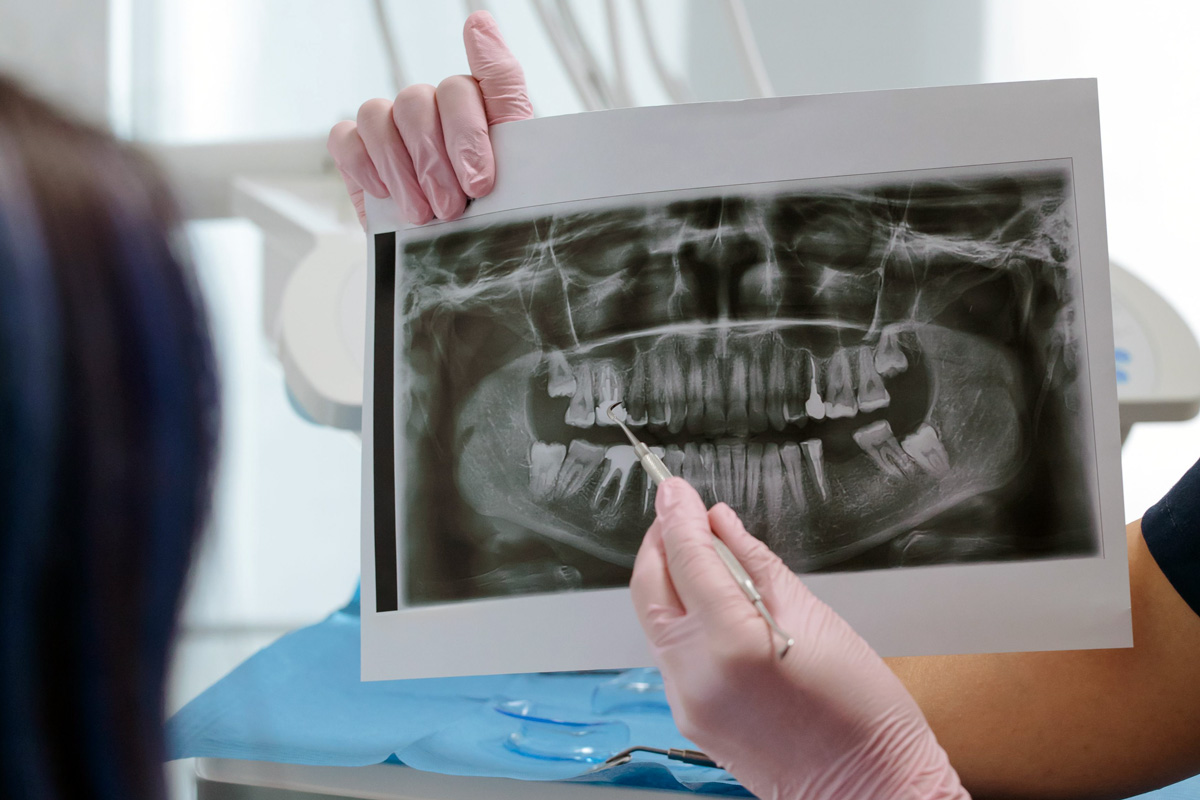
Cracked tooth syndrome is when a tooth has a crack that’s too small to show up on a standard dental X-ray. Patients with cracked tooth syndrome may experience symptoms like sharp pain when biting or releasing bite pressure, trouble determining which tooth hurts, and sensitivity to extreme temperatures.
Can a cracked tooth be saved, or does it need to be pulled?
A cracked tooth can often be saved, but it depends on how extreme the fracture is and where it is located. If the tooth is split below the gum line into the root, bacteria can get into the bone.
Generally, teeth in this condition will need to be pulled to prevent the bacteria from spreading. Other situations when cracked teeth may need to be pulled include completely split teeth and teeth that have become severely infected.
Sources:
- Roh, B-D. and Young-Eun, L. (June 2006). Analysis of 154 cases of teeth with cracks. Dental Traumatology. Retrieved September 10, 2026, from https://pubmed.ncbi.nlm.nih.gov/16643285/
- (29 April 2024). Cracked Tooth (Fractured Tooth). Cleveland Clinic. Retrieved September 10, 2026, from https://my.clevelandclinic.org/health/diseases/21628-fractured-tooth-cracked-tooth
- Cadman, B. (2 June 2018). How do you know if you have a cracked tooth? Medical News Today. Retrieved September 10, 2026, from https://www.medicalnewstoday.com/articles/322015
- (28 March 2022). How to Fix a Chipped Tooth: Five Possible Ways. Penn Dental Medicine. Retrieved September 10, 2026, from https://penndentalmedicine.org/blog/chipped-or-cracked-teeth/