
Pediatric Dentistry
We believe early dental care plays a vital role in your child’s long-term oral health. Our pediatric dental services focus on prevention, intervention, and creating positive experiences that help children feel comfortable and confident at the dentist. From routine check-ups to monitoring growth and development, our team is here to support healthy smiles through every stage of childhood.
Pediatric Dental Care by Age
Children’s dental needs change as they grow. That’s why our pediatric dental care is tailored to each stage of development, focusing on prevention, early intervention, and long-term oral health at every age.
birth to 2 years
We recommend a child’s first dental visit by their first birthday or when their first tooth appears. These early visits focus on comfort, prevention, and identifying concerns such as early tooth decay during development.
- Monitoring early tooth development
- Identifying signs of baby bottle tooth decay
- Parent education on feeding and oral care habits
- Creating a positive first dental experience


3 to 11 Years
During these years, children’s teeth develop rapidly as baby teeth transition to permanent teeth. Regular dental care helps establish strong oral hygiene habits, prevent cavities, and monitor early alignment concerns.
- Guidance on brushing and flossing habits
- Monitoring developing and permanent teeth
- Identifying cavities and early dental concerns
12 to 18 Years
During the teen years, oral health risks can increase as habits change and concerns about appearance become more important. Regular dental visits help monitor cavities, staining, and alignment issues that may affect both oral health and confidence.
- Evaluating teeth alignment
- Identifying oral health risks related to teen habits
- Guidance around wisdom teeth development
- Supporting confidence through a healthy, aligned smile
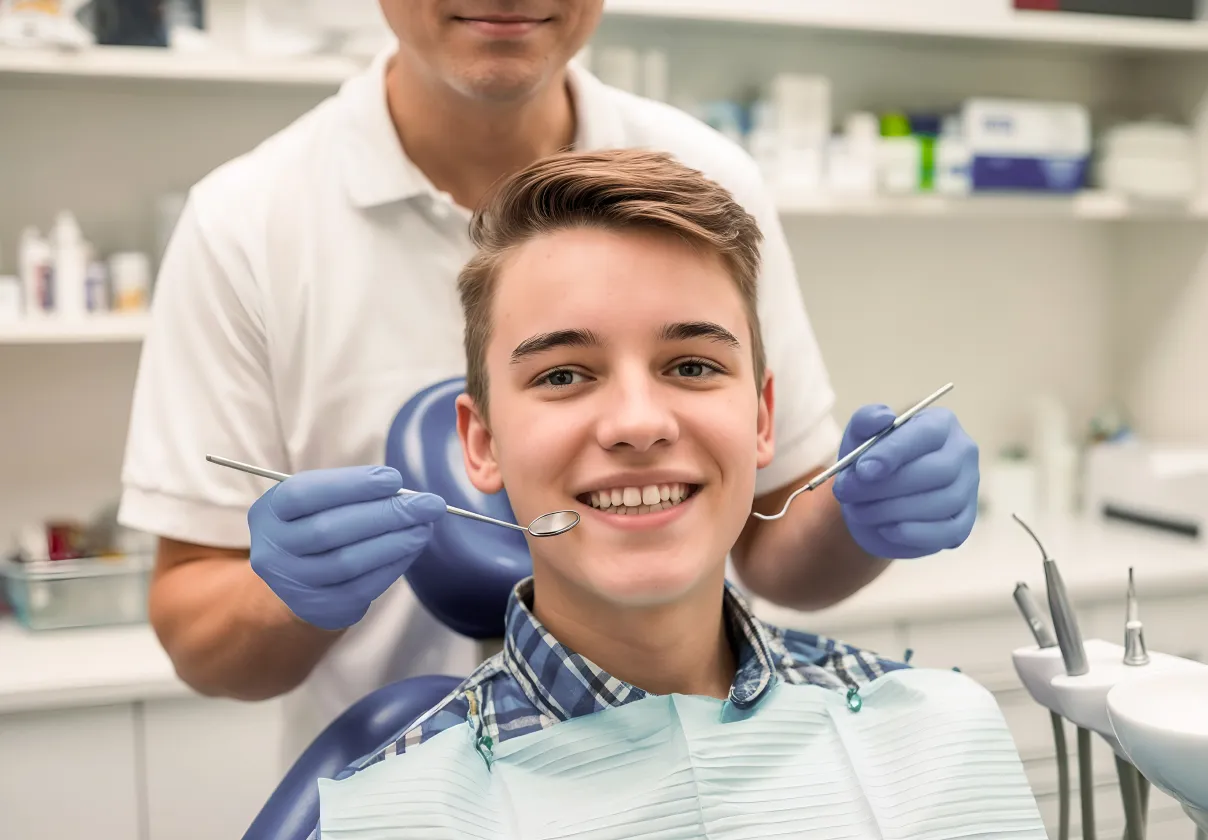
Pediatric services offered at Beam Dental
Preventive Dentistry
Keep your child’s teeth healthy and maintain good oral health habits that reduce the risk of future dental problems.
- Teeth cleaning, oral screenings, and exams
- Mouthguards, sealants, and space maintainers
- Guidance for maintaining healthy habits at home
Restorative Dentistry
Restore the function and appearance of teeth damaged by cavities, injury, or dental malformation.
- Bonding, crowns, fillings, and pulp treatment
- Tooth extractions
- Relief from pain and discomfort
Orthodontic Evaluation
Ensure your child’s permanent teeth grow aligned for a healthy and long-lasting smile.
- Early alignment evaluation
- Jaw and bite guidance
- Braces, clear aligners, removable appliances
Sedation Dentistry
Sedation dentistry will help put your child at ease and help them relax during their dental procedure.
- Anxiety and fear relief
- Reduced gag reflex
- Support during complex procedures
Dental Emergencies
This type of care addresses urgent dental issues involving pain, bleeding, injury, or trauma caused by accidents or dental disease.
- Toothaches
- Bitten cheeks, lip, or tongue
- Bleeding, swelling, or jaw trauma
Lip & Tongue-Tie Evaluation
Address lip or tongue ties caused by tight or thick connective tissue that restricts normal movement.
- Evaluation of feeding, speech, or oral hygiene
- CO₂ laser frenectomy treatment
- Minimally invasive, precise approach