
Implant Overdentures
If you are missing all or most of your teeth and looking for a long-term solution, implant-supported dentures may be the ideal choice. Typically, you may think of traditional dentures as the main full-arch teeth solution, but implant overdentures offer some unique advantages.
About Implant Overdentures
Like traditional dentures, they are removable. The key difference is that traditional dentures rely on suction and adhesives to stay in place, while implant overdentures attach securely to dental implants. They just snap right in, which is why they’re also called snap-in dentures. The implants help secure the dentures for better comfort and function, especially when speaking and eating.
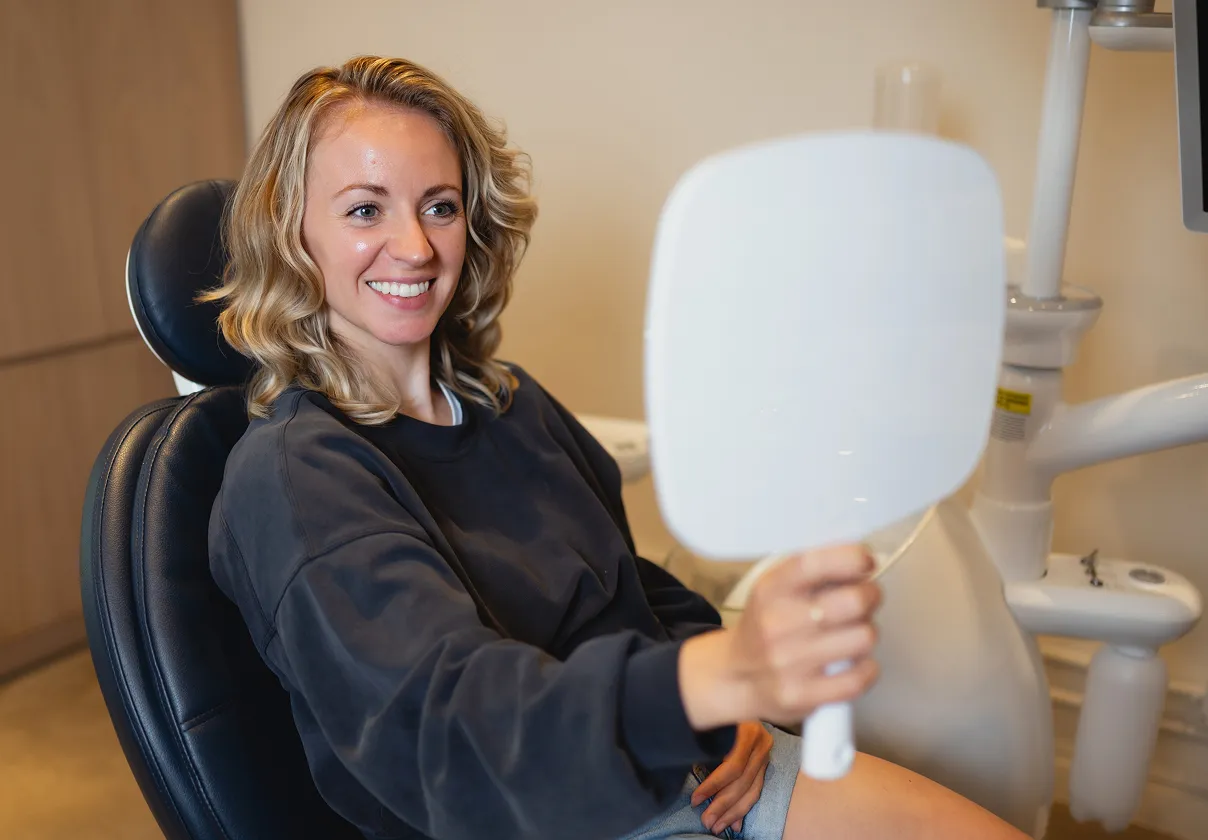

Maintain Your Smile
Implant overdentures are very easy to maintain, too. When you need to clean them, take out the dentures and rinse them. Use a soft brush and cleaner to remove any food or other debris, then leave the dentures to soak overnight to keep them from drying out. Remember to clean around the implants with a soft-bristle brush or water flosser. Gum health is very important when you use overdentures or traditional dentures.
Get Started
If you’re considering implant overdentures, your dentist will first check whether your jawbone would support them. If you’re a good candidate, they will make a plan for placing the implant posts.

Frequently Asked Questions
What are implant overdentures?
Implant overdentures are removable dental prosthetics that snap onto dental implants in the jawbone. Compared to traditional dentures, which rely on suction and adhesive to stay in place, implant overdentures are much more stable due to the implants connected to your jawbone. You may also find them more comfortable and reliable for chewing.
One drawback to implant overdentures is that they are more expensive than traditional dentures. You may also prefer a non-surgical option that doesn’t take as long. When considering restorative dentistry options, weigh factors like your comfort, budget, goals, and ideal treatment timelines. Talk to your dentist about what they recommend for your specific circumstances.
How do snap-in dentures work?
Some patients worry about the implant process for snap-in dentures, but it's very straightforward. Your dentist will assess your jawbone health and surgically place the implants into your jawbone, typically using local anesthesia. Then, it will take several months for the bones to heal and fuse with the implants.
After this healing period, the dentist will attach connectors to the implants and take an impression of your mouth. They use this impression to create your custom dentures that connect to the implants. Your dentist may use a ball-retained, bar-retained, or magnetic attachment to secure the implants, depending on your needs.
How many implants do overdentures require?
Overdentures aren’t exactly the same for each patient. The number of implants you need to support your overdentures will depend on factors like:
- Attachment type: A bar-retained overdenture may require more implants than a ball-retained overdenture
- Stability level: Greater stability requires more implants, which means higher costs
- Jawbone density: If your jawbone isn’t as dense, you may require more implants for support
- Placement: The softer upper jawbone typically requires more implants than the lower jawbone
You can expect at least two implants to support overdentures on the lower jawbone and four to six implants on the upper jaw.
How long do implant overdentures last?
If you’re considering snap-in dentures, keep in mind that they are not removable implants. Once installed, the implants stay in your mouth all the time. They’re durable, made of titanium, and can last at least 20 years with proper care.
The overdenture is the removable part. You can take it out whenever you need to. Expect the overdenture to last around 10 years or more before you need to repair, reline, or replace it. Relining is the process of resurfacing the underside of the overdenture appliance to ensure a snug, comfortable fit over your gums. Following the care instructions from your dentist will help your implants and overdentures last longer.